
Cum atinge kitul de cateter venos central prin intermediul sinergiei diverselor componente?
Analiza componentelor de bază ale kitului
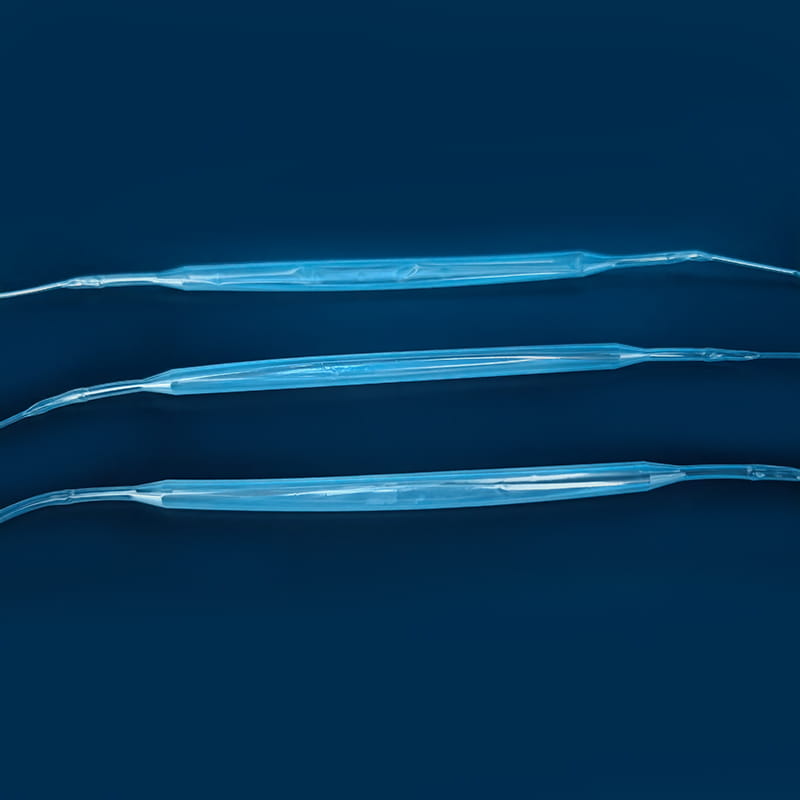
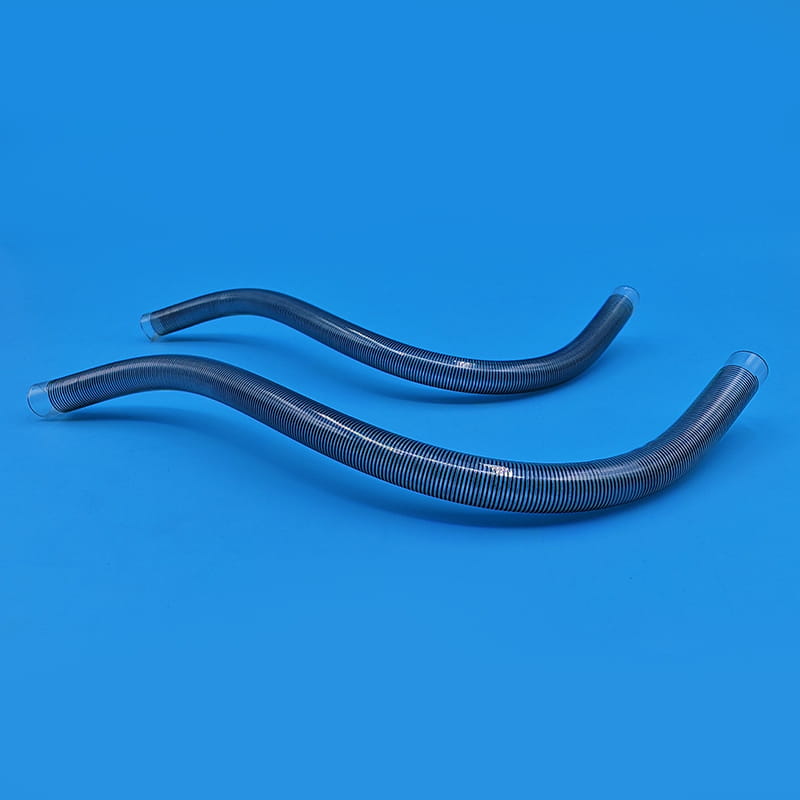
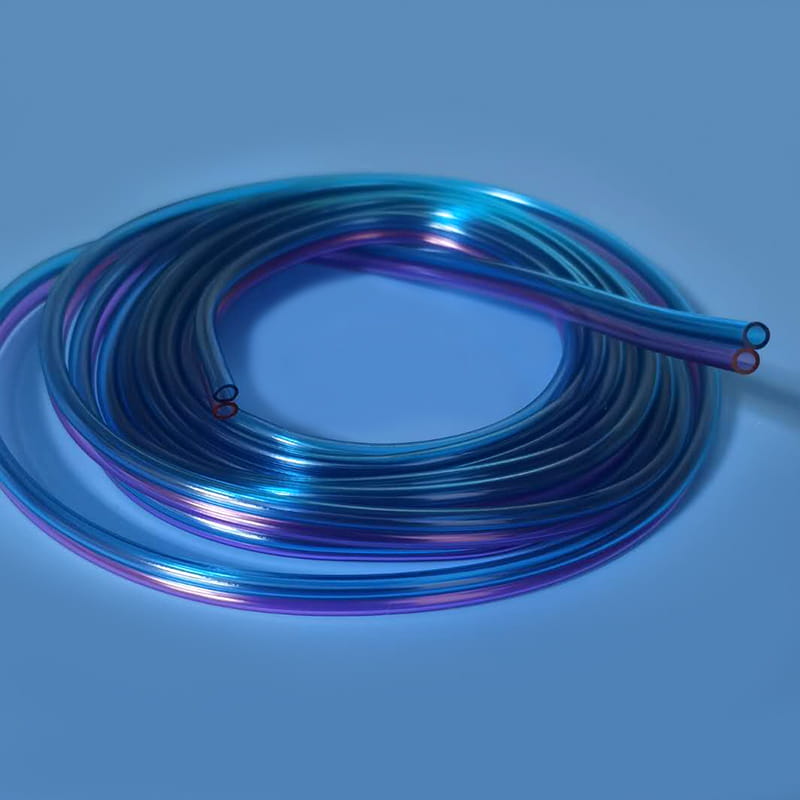
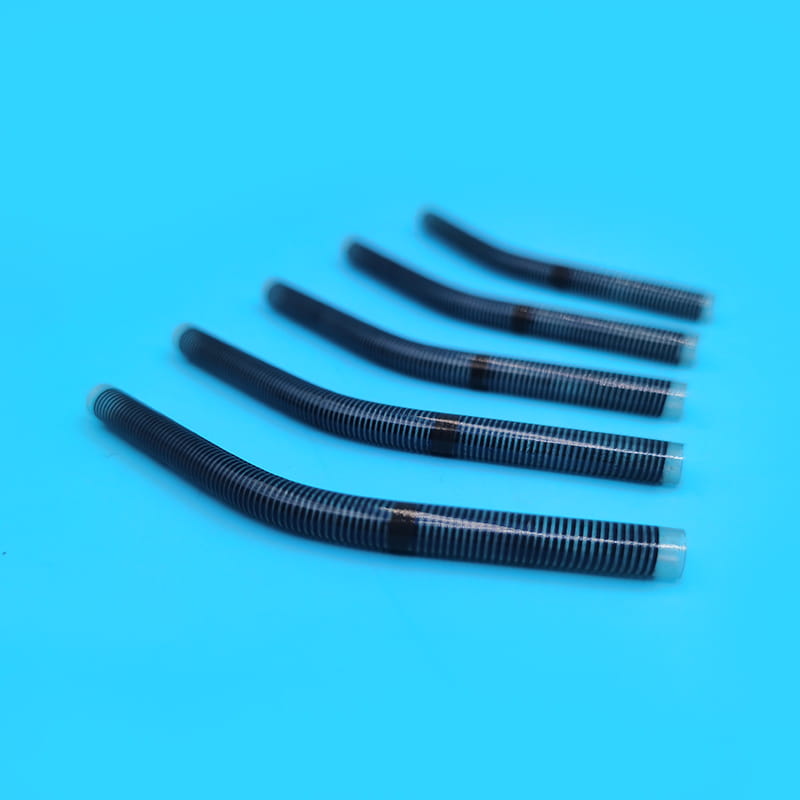
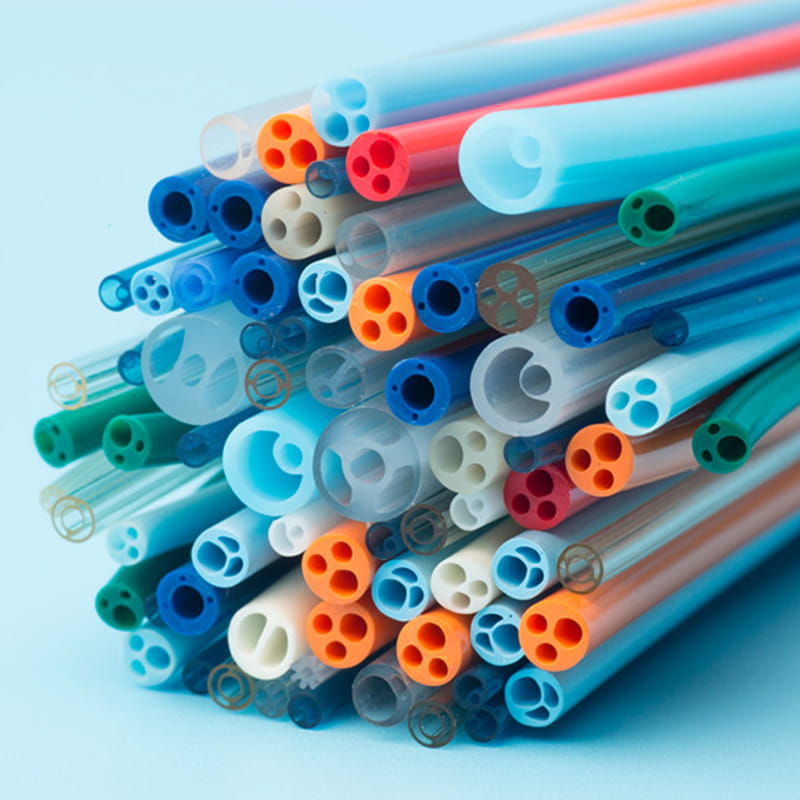
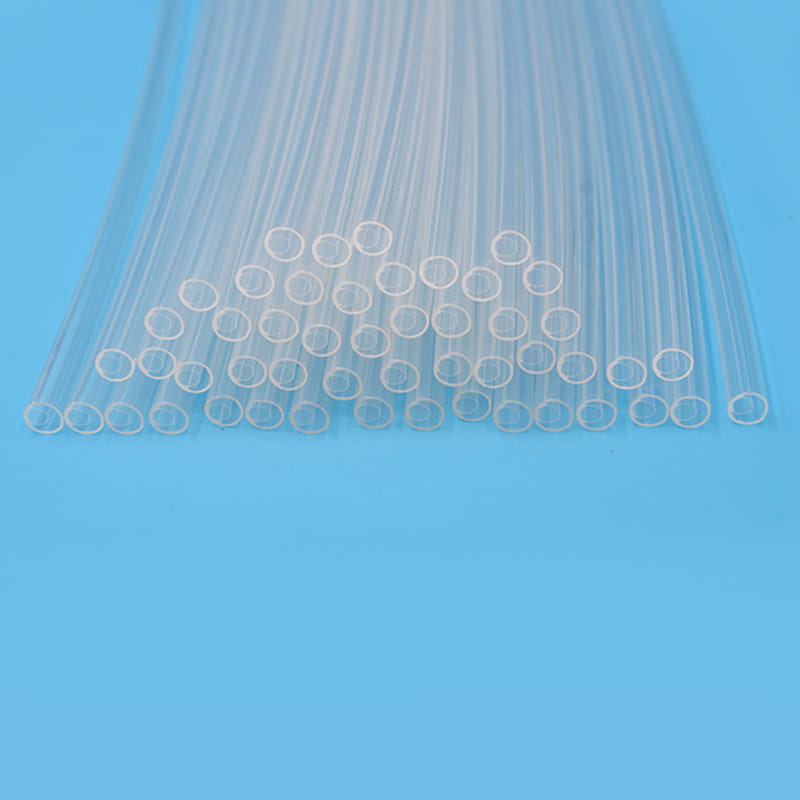
Set de cateter venos central Conține o varietate de componente cheie, fiecare dintre acestea jucând un rol unic și de neînlocuit în întregul proces de operare medicală. Primul este cateterul venos central, care este componenta de bază a kitului și este canalul care leagă vena centrală în afara corpului și în interiorul corpului. Materialul său este de obicei confecționat din poliuretan sau silicon de calitate medicală. Astfel de materiale au o biocompatibilitate bună și pot reduce eficient respingerea organismului de către organismul străin și pot reduce riscul de complicații precum infecția. Diferite tipuri de catetere venoase centrale au propriile caracteristici în structură și funcție. Cateterele cu un singur Lumen sunt potrivite pentru nevoile de tratament unice, în timp ce cateterele duble-Lumen sau multi-Lumen pot efectua o varietate de operații medicale diferite în același timp, cum ar fi perfuzia, colectarea sângelui și administrarea de droguri, ceea ce îmbunătățește foarte mult eficiența și comoditatea operațiunilor medicale. În ceea ce privește proiectarea, unele suprafețe de cateter sunt tratate cu acoperiri speciale pentru a îmbunătăți în continuare proprietățile anti-trombotice; Unele sunt, de asemenea, marcate cu cântare pentru a facilita personalul medical să înțeleagă cu exactitate adâncimea de inserție.
cannula plays a pioneering role in the central venous catheter kit. When performing a central venous catheter insertion operation, the cannula is first used for percutaneous puncture into the vein. Its needle tip adopts a bevel cutting process. This design is sharp and precise, and can quickly and accurately penetrate the skin and vein wall with minimal resistance, opening a channel for the entry of subsequent components. The needle core and outer sleeve of the cannula needle are closely matched. When the cannula needle successfully enters the vein, the inner needle core is removed through a special separation mechanism, and the outer sleeve with a certain hardness and flexibility will remain in the vein as a guide channel for subsequent guide wires and other components to enter. To ensure the accuracy of puncture, some cannula needles are also equipped with ultrasound guidance adapters, which can be used with ultrasound equipment to observe the puncture path and blood vessel status in real time.
guidewire is a key tool for precise positioning and guidance in the central venous catheter kit. After the cannula needle establishes the initial channel, the guidewire will be sent into the vein through the cannula. The outer layer of the guidewire is usually woven from medical-grade stainless steel wire, and the inner layer is a nickel-titanium alloy core. This structure gives the guidewire good flexibility and maneuverability. Doctors can use the J-shaped or straight head design of the guidewire tip to flexibly turn and guide it in the blood vessel through in vitro operation, and accurately send it to the target position. Some high-end guidewires also have a hydrophilic coating, which becomes lubricated after contact with blood, further reducing friction damage to the inner wall of the blood vessel. The existence of the guidewire makes the insertion path of the central venous catheter clearer and more controllable, laying a solid foundation for the smooth insertion of the subsequent catheter.
role of the dilator in the central venous catheter kit should not be ignored. Since the diameter of the vein is relatively thin, and the central venous catheter needs to be smoothly inserted, it is necessary to properly dilate the vein. The dilator usually adopts a conical or cylindrical design, and the material is mostly medical-grade polyethylene. It can enter the vein along the guidewire and expand the channel of the venous puncture site by gradually expanding. During the expansion process, the smooth surface treatment and gradual caliber design of the dilator can reduce damage to the venous tissue while ensuring effective expansion. For special patients, such as those with thin blood vessel walls or sclerosis, there are also special controllable dilators available, and doctors can accurately adjust the expansion strength and range according to actual conditions.
peelable sheath is an important part of the central venous catheter kit to ensure the safe insertion of the catheter. After the dilator completes the dilation of the vein, the peelable sheath will be sent into the vein along the guidewire and dilator. The peelable sheath consists of two symmetrical half sheaths connected by a special locking structure in the middle. When the peelable sheath reaches the appropriate position, the central venous catheter will be inserted into the vein through the sheath. At this time, the medical staff will separate the peelable sheath from the middle lock and remove it from the body through a specific operation technique, while the central venous catheter will be left in the vein. This unique design not only ensures the smooth catheter insertion process, but also avoids unnecessary damage to the vein and catheter. To prevent accidental scratches on the surrounding tissue when the sheath is peeled off, the edge of the sheath is specially rounded and blunted.
fixing device plays a role in stabilizing and fixing the catheter in the central venous catheter kit. In order to ensure that the central venous catheter can maintain a stable position in the patient's body for a long time without displacement or falling off, fixing devices such as sutures, sterile dressings or special catheter fixers will be used to fix the catheter to the patient's skin. The suture fixation method is suitable for patients with long-term catheterization. The catheter is fixed to the skin tissue through delicate suturing operations; the sterile dressing is breathable, waterproof and antibacterial, and can effectively protect the puncture site; the dedicated catheter fixator is made of medical-grade silicone or polymer materials, and can be personalized according to the patient's skin morphology and catheter model through an adjustable buckle design. Appropriate fixation can not only ensure the normal function of the catheter, but also reduce the discomfort and potential risks caused to the patient by the movement of the catheter.
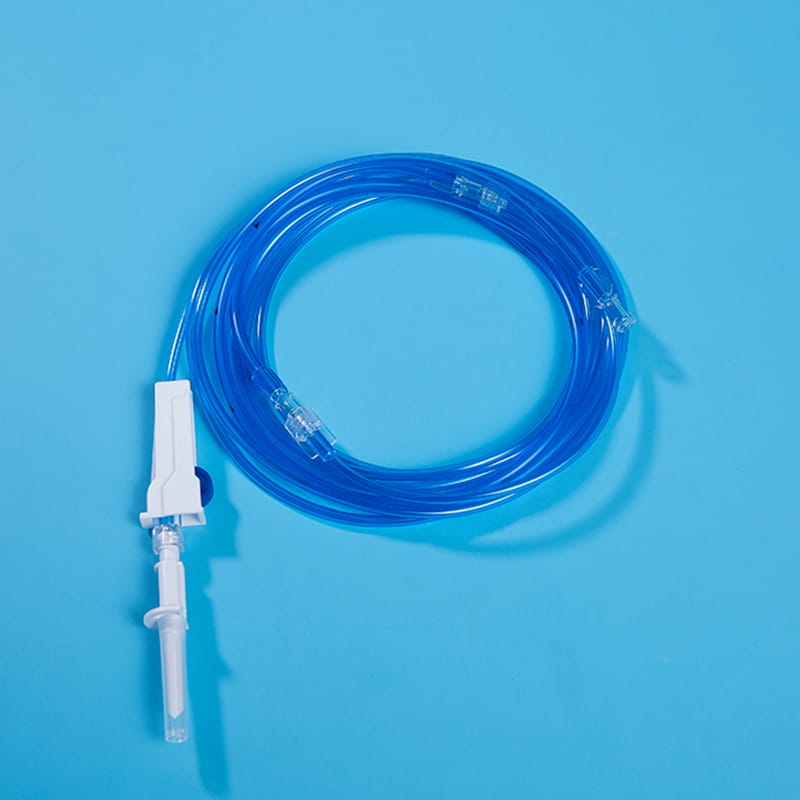
interface for external connection is the bridge between the central venous catheter and external medical equipment. Through these interfaces, the central venous catheter can be connected to infusion sets, syringes and other equipment to achieve various medical operations such as infusion, drug administration, and blood collection. The design of these interfaces has good sealing and compatibility, and common ones include Luer connectors and needleless infusion connectors. The Luer connector is connected by threads to ensure a tight connection without leakage; the needleless infusion connector adopts a diaphragm design, which can complete the infusion operation without acupuncture, reducing the risk of infection. At the same time, some interfaces also have anti-backflow function to prevent blood from reflux and blocking the catheter, and support multiple devices to be connected at the same time to meet complex clinical needs.
O gamă largă de scenarii de aplicații clinice
În aplicațiile medicale reale, scenariile de utilizare ale kiturilor de cateter venoase centrale sunt foarte largi. În domeniul terapiei intensive, pentru pacienții cu afecțiuni critice care au nevoie de o cantitate mare de perfuzie și medicamente frecvente, cateterele venoase centrale pot oferi un canal de perfuzie rapid și stabil pentru a răspunde nevoilor pacienților pentru lichide și medicamente. Luând pacienții cu șoc septic ca exemplu, în timpul procesului de salvare, o cantitate mare de lichid cristalin, lichid coloid și medicamente vasoactive trebuie să fie completate într -o perioadă scurtă de timp. Cateterul venos central se poate asigura că aceste fluide și medicamente intră rapid în circulația sângelui și corectează rapid starea de șoc. În același timp, monitorizarea hemodinamică poate fi efectuată și prin cateterul venos central. Medicul conectează senzorul de presiune la interfața cateterului pentru a obține parametri precum presiunea venoasă centrală și presiunea pulmonară a arterei în timp real, ceea ce îi ajută pe medici să înțeleagă funcția cardiacă a pacientului și starea de circulație a sângelui în timp real și oferă o bază importantă pentru formularea unor planuri de tratament precise.
În tratamentul tumoral, multe medicamente chimioterapice sunt foarte iritante pentru vasele de sânge, iar administrarea prin vene periferice poate provoca complicații precum flebita. Setul de cateter venos central poate plasa un cateter în vena centrală, permițând medicamentelor chimioterapice să intre direct în vasele mari de sânge și să fie diluată rapid, reducând astfel iritarea vaselor de sânge, reducând probabilitatea complicațiilor și îmbunătățind toleranța la tratament și conformitatea pacienților. De exemplu, pacienții cu cancer de sân care primesc medicamente chimioterapice extrem de iritante, cum ar fi doxorubicina, pot utiliza catetere venoase centrale pentru a evita eficient consecințe grave, cum ar fi necroza pielii și ulcerația tisulară cauzată de extravazarea medicamentelor. În același timp, pentru pacienții care au nevoie de chimioterapie pe termen lung și multiplă, cateterele venoase centrale reduc durerea punctelor repetate și îmbunătățesc continuitatea tratamentului.
În plus, în terapia de sprijin nutrițional, cateterele venoase centrale pot fi utilizate pentru suportul total de nutriție parenterală pentru pacienții care nu pot lua suficientă nutriție prin tractul gastrointestinal, cum ar fi pacienții cu comă pe termen lung și arsuri severe. Acordarea de o soluție de nutrienți cu concentrare ridicată, cu un nivel ridicat de calorii, prin vena centrală, poate satisface nevoile organismului pacientului pentru nutrienți și poate promova recuperarea pacientului. Luând ca exemplu pacienții cu arsuri extinse, funcția lor gastrointestinală este suprimată din cauza traumelor și nu pot digera și absorbi alimentele în mod normal. În acest moment, soluția de nutrienți all-in-one care conține aminoacizi, emulsie de grăsime, glucoză și alte ingrediente este dată prin cateterul venos central pentru a menține echilibrul de azot al pacientului, pentru a reface energia necesară de organism și a accelera vindecarea rănilor. În același timp, personalul medical poate monitoriza, de asemenea, electroliții pacientului, zahărul din sânge și alți indicatori prin cateterul venos central și poate ajusta la timp planul de sprijin nutrițional.
Proceduri de operare stricte și standardizate
operating procedures of the central venous catheter kit need to strictly follow the specifications and standards. Before the operation, the doctor needs to conduct a comprehensive assessment of the patient's condition, including the patient's age, weight, underlying diseases, coagulation function, etc., and select the appropriate puncture site and central venous catheter type. Common puncture sites include the internal jugular vein, subclavian vein and femoral vein. Different sites have their own advantages and disadvantages, and they need to be carefully selected according to the specific situation of the patient. At the same time, detailed explanations and communication should be given to the patient, and the patient should be informed of the operation process, possible risks and key points of cooperation to obtain the patient's cooperation. During the operation, the principle of aseptic operation must be strictly followed. The puncture site must be disinfected with iodine more than three times, and the diameter of the disinfection range must not be less than 15 cm. A large sterile sheet must be laid to ensure that the entire operation is carried out in a sterile environment. Then follow the steps of trocar puncture, guide wire insertion, dilation with a dilator, insertion of a removable sheath, insertion of a central venous catheter, fixation of the catheter, and connection of an external interface. Taking internal jugular vein puncture as an example, under ultrasound guidance, after determining the puncture point, the trocar is inserted at an angle of 30-45 degrees. After seeing the blood return, it is confirmed that it is in the vein, and then the subsequent components are inserted according to the process. After the operation is completed, the patient needs to be closely observed and cared for, and the patient must be monitored for complications and treated in a timely manner. This includes observing whether the puncture site is red, swollen, or exuded, and changing the dressing regularly; monitoring the patient's body temperature, blood routine, and other indicators to determine whether an infection has occurred; evaluating the function of the catheter to ensure smooth infusion, blood collection, and other operations.
Provocări și riscuri cu care se confruntă
Deși kiturile de cateter venoase centrale joacă un rol important în domeniul medical, acestea se confruntă și cu unele provocări și riscuri în timpul utilizării. Infecția este una dintre cele mai frecvente complicații ale cateterelor venoase centrale. Deoarece cateterul este lăsat în corp mult timp, este ușor pentru invadarea bacteriilor și a altor microorganisme, provocând infecții locale sau infecții sistemice. Bacteriile intră în principal în corp prin colonizarea pielii la locul puncției, contaminarea conectorului cateterului și contaminarea sistemului de perfuzie. Tromboza este, de asemenea, o problemă care nu poate fi ignorată. Cateterul poate stimula endoteliul vascular în vasul de sânge, provocând modificări ale coagulării sângelui, formând astfel un tromb. Odată ce trombul se încadrează, acesta poate provoca complicații grave, cum ar fi embolia pulmonară. În plus, probleme precum blocajul și deplasarea cateterului pot afecta, de asemenea, efectul normal de utilizare și tratament al cateterului venos central. Blocarea cateterului poate fi cauzată de depunerea de droguri, coagularea sângelui, etc.; Deplasarea cateterului poate fi legată de factori precum activitatea necorespunzătoare a pacientului și fixarea liberă.
For more information, please call us at +86-18913710126 or email us at .
Tubul de poliimidă a devenit indispensabil în ingineria modernă a dispozitivelor medicale....
Înțelegerea tubului de înveliș de protecție FEP Guidewire Procedurile medicale mi...
A tubul pompei peristaltice medicale este o componentă specializată de transfer de ...
Evoluția tehnologiei de vizualizare a cateterului Procedurile minim invazive au transfor...
Înțelegerea cateterelor medicale în asistența medicală modernă Dispozitivele medicale au...
Un cateter drept ajunge în cea mai mare parte a căilor respiratorii, dar ultimul centimetru ...