
Rezolvarea provocărilor îngustării vaselor de sânge cu catetere medicale cu balon
Introducere
Îngustarea vaselor de sânge sau stenoza vasculară este o afecțiune medicală critică care afectează în mod semnificativ fluxul sanguin către organele și țesuturile vitale. Această îngustare poate rezulta dintr-o varietate de factori, inclusiv ateroscleroza, în care placa se acumulează pe pereții arterelor sau din cauza anomaliilor congenitale. Pe măsură ce fluxul sanguin scade, organele și țesuturile pot suferi deprivare de oxigen, ceea ce poate duce la complicații grave de sănătate, cum ar fi atacuri de cord, accident vascular cerebral și insuficiență de organ.
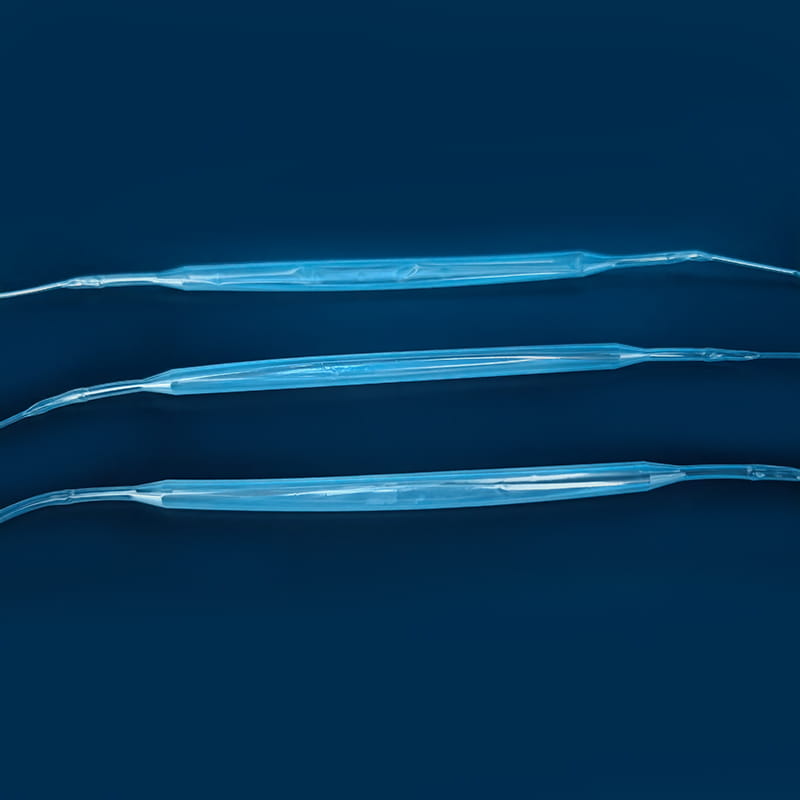
O metodă extrem de eficientă pentru tratarea unor astfel de afecțiuni este utilizarea cateter cu balon medical s. Aceste dispozitive sunt parte integrantă a procedurilor precum angioplastia, în care un cateter cu balon este introdus în artera îngustată pentru a restabili fluxul sanguin normal.
Problema îngustarii vaselor de sânge
Vasele de sânge se pot îngusta din mai multe motive. Ateroscleroza este cauza comună a îngustarii arterelor, în care colesterolul, grăsimea și alte substanțe se acumulează în pereții arteriali, formând placă. În timp, această placă se întărește și restricționează fluxul sanguin.
În unele cazuri, îngustarea poate apărea din cauza malformațiilor vasculare, unde vasele de sânge nu se dezvoltă corespunzător. Aceste afecțiuni pot fi congenitale sau pot fi rezultatul unei răni sau boli. Rezultatul este un flux sanguin compromis, care poate o varietate de complicații, inclusiv:
- Boala coronariană (CAD)
- Boala arterială periferică (PAD)
- Accident vascular cerebral
- Stenoza arterei renale
Pe măsură ce aceste condiții se înrăutățesc, pot provoca leziuni ale organelor și chiar moartea, ceea ce face ca intervenția timpurie să fie crucială.
Rolul cateterelor medicale cu balon
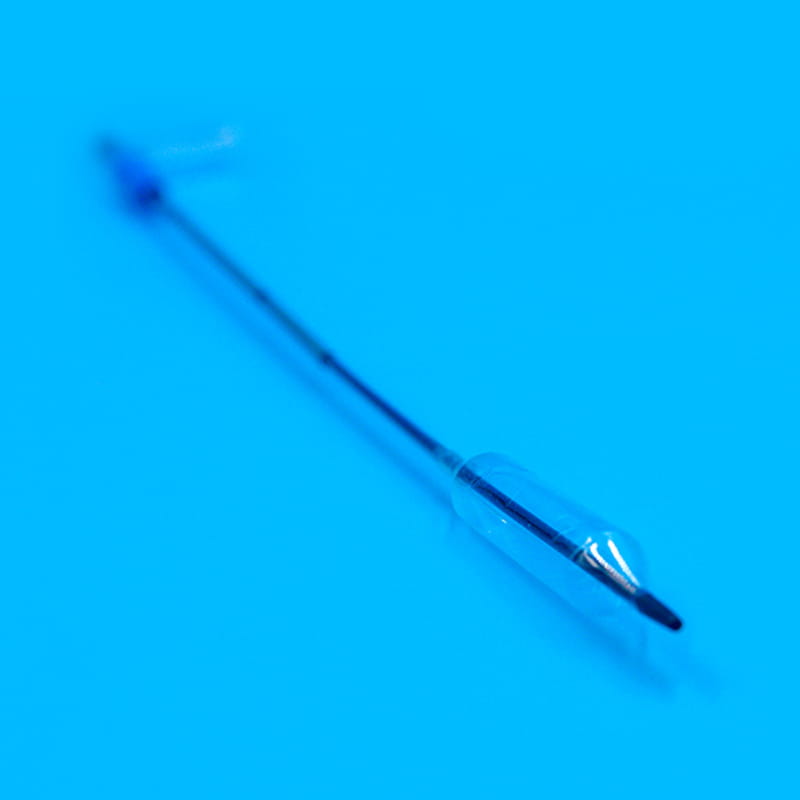
Cateterul cu balon medical este un dispozitiv conceput pentru a trata îngustarea vaselor de sânge printr-o procedură minim invazivă. Cateterul este introdus în artera afectată și un mic balon la vârful său este umflat la locul îngustării. Balonul exercită presiune asupra pereților arterei, aplatind placa și lărgind vasul. Această procedură, cunoscută sub numele de angioplastie, restabilește fluxul sanguin și previne deteriorarea ulterioară a organului sau țesutului din aval.
Cateterul cu balon medical oferă mai multe avantaje față de metodele chirurgicale tradiționale, cum ar fi operația bypass. Acestea includ:
- Minim invaziv: Procedura necesită doar o mică incizie, reducând timpul de recuperare și minimizând riscul de infecție.
- Recuperare mai rapidă: Pacienții își pot relua adesea activitățile normale în câteva zile, comparativ cu săptămânile sau lunile necesare pentru intervenția chirurgicală tradițională.
- Risc redus de complicații: Procedura este mai sigură pentru pacienții cu alte afecțiuni subiacente, cum ar fi diabetul sau hipertensiunea arterială, ceea ce ar face operația deschisă mai riscantă.
Cum funcționează cateterele medicale cu balon
Cateterele medicale cu balon sunt utilizate de obicei în timpul procedurilor de angioplastie, care sunt adesea efectuate la pacienții cu boală coronariană (CAD). Procedura începe cu o mică incizie, de obicei în zona inghinală sau încheietura mâinii, prin care cateterul este introdus în sistemul arterial. Cateterul este ghidat prin corp până la locul îngustării utilizând fluoroscopie, o formă de imagistică cu raze X în timp real.
Odată ce cateterul ajunge la artera îngustată, balonul este umflat. Balonul comprimă placa și deschide artera, permițând sângelui să curgă liber încă o dată. În unele cazuri, un stent - un tub cu ochiuri mici - poate fi introdus pentru a menține artera deschisă și pentru a preveni îngustarea din nou.
Iată o privire de ansamblu rapidă a procesului de bază al angioplastiei folosind catetere cu balon medical:
| Pasul | Descriere |
|---|---|
| 1. Inserare | Un cateter este introdus în arteră printr-o mică incizie. |
| 2. Navigare | Cateterul este ghidat către locul de îngustare folosind fluoroscopie. |
| 3. Inflația | Balonul de la vârful cateterului este umflat pentru a lărgi artera. |
| 4. Plasarea stentului | În unele cazuri, este plasat un stent pentru a menține artera deschisă. |
| 5. Finalizare | Cateterul este îndepărtat și fluxul sanguin este restabilit. |
Avantajele cateterelor medicale cu balon
Cateterele medicale cu balon oferă numeroase beneficii în tratamentul îngustării vaselor de sânge:
- Precizie: Capacitatea de a viza anumite zone de îngustare asigură că procedura este foarte eficientă.
- Risc redus de traumă: Spre deosebire de chirurgia tradițională, angioplastia cu ajutorul unui cateter cu balon provoacă traumatisme minime țesuturilor înconjurătoare.
- Confort sporit al pacientului: Cu un risc mai mic de complicații, pacienții experimentează adesea mai puțină durere și disconfort în timpul recuperării.
În plus, procedura poate fi efectuată pe o mare varietate de vase de sânge din tot corpul, inclusiv:
- Arterele coronare (pentru CAD)
- Arterele carotide (pentru prevenirea accidentului vascular cerebral)
- Arterele renale (pentru restaurarea funcției renale)
Aplicații ale cateterelor medicale cu balon
Cateterele medicale cu balon sunt utilizate în principal pentru tratarea bolii coronariene (CAD), dar au aplicații și în alte afecțiuni vasculare:
Boala arterială coronariană (CAD)
Una dintre utilizările comune ale cateterelor cu balon medical este în tratamentul CAD. În această procedură, un cateter este introdus în arterele coronare pentru a le lărgi și a restabili fluxul de sânge către inimă. Acest lucru poate reduce durerea în piept și poate reduce riscul de atacuri de cord.
Boala arterială periferică (PAD)
PAD apare atunci când arterele de la picioare devin îngustate sau blocate. Folosind catetere cu balon, medicii pot deschide aceste artere, îmbunătățind circulația și reducând simptomele precum durerea de picioare și crampele.
Stenoza arterei renale
Cateterele medicale cu balon sunt, de asemenea, folosite pentru a trata îngustarea arterelor renale, care furnizează sânge la rinichi. Prin restabilirea fluxului sanguin, procedura poate ajuta la prevenirea afectarii rinichilor și la îmbunătățirea funcției renale generale.
Boala arterei carotide
În boala arterei carotide, acumularea plăcii în arterele carotide crește riscul de accident vascular cerebral. Angioplastia cu balon poate ajuta la eliminarea blocajului, scăzând șansele de apariție a unui accident vascular cerebral.
Provocări și direcții viitoare
În ciuda eficacității lor, cateterele medicale cu balon nu sunt lipsite de limitări. Unele dintre provocări includ:
- Re-îngustare: După angioplastie, arterele se pot îngusta din nou în timp, necesitând proceduri suplimentare.
- Risc de rupere: Deși rar, există riscul ca balonul să se rupă în timpul umflării, provocând potențial leziuni ale arterei.
- Complicații în cazuri complexe: În cazurile în care placa este deosebit de densă sau artera este sever îngustată, angioplastia cu un cateter cu balon poate să nu fie la fel de eficientă.
Concluzie
Cateterele medicale cu balon au revoluționat tratamentul îngustării vaselor de sânge, oferind o soluție minim invazivă la ceea ce a fost cândva o problemă extrem de periculoasă și complicată. Deși există provocări care încă trebuie abordate, beneficiile acestei proceduri sunt incontestabile. Prin restabilirea fluxului sanguin în vasele afectate, cateterele medicale cu balon ajută pacienții să trăiască o viață mai lungă și mai sănătoasă.
For more information, please call us at +86-18913710126 or email us at .
Tubul de poliimidă a devenit indispensabil în ingineria modernă a dispozitivelor medicale....
Înțelegerea tubului de înveliș de protecție FEP Guidewire Procedurile medicale mi...
A tubul pompei peristaltice medicale este o componentă specializată de transfer de ...
Evoluția tehnologiei de vizualizare a cateterului Procedurile minim invazive au transfor...
Înțelegerea cateterelor medicale în asistența medicală modernă Dispozitivele medicale au...
Un cateter drept ajunge în cea mai mare parte a căilor respiratorii, dar ultimul centimetru ...